For many retailers, webshops and manufacturers, the last quarter of the year is the busiest period. As they prepare for the Christmas season, large shipments arrive, and many discover that their own warehouse is simply too small. This is when pallet storage comes up. It offers a fast, flexible solution, but only if you know exactly what you're paying and what you get for it.
In this guide we go through how pallet storage works, which fee components make up its price, and which questions are worth asking before you sign the contract.
What is pallet storage?
Pallet storage is a form of warehousing where you don't rent a closed unit or a fixed floor area, but pay according to the number of pallets stored. The goods usually arrive on standard EUR pallets (120 × 80 cm) or industrial pallets (120 × 100 cm), wrapped, and the warehouse puts them in place with a forklift and releases them on request.
This option suits companies particularly well if they:
- have seasonally fluctuating stock (Christmas, the summer season, campaigns);
- buy in large quantities but sell more slowly;
- are launching a new product range and don't want to expand their own warehouse straight away;
- have temporarily outgrown their premises, for example because of a move or rebuilding;
- need to empty an import shipment out of a container quickly.
Pallet space or square metres: what's the difference?
On the market you'll come across two basic pricing models.
Per-pallet fee. The warehouse charges a daily or monthly fee per pallet. This works well for standard goods that stack easily and quantities that change often. Key questions are whether the pallets can be stacked and whether the fee depends on height.
Per-square-metre fee. The warehouse charges for the floor area the goods occupy. This is better value if the goods are non-standard (large one-off items, mixed cartons, machinery), or if you want to store both palletised and non-palletised items.
ZedStore works with both models: you can ask for pallet storage, and you can also rent a flexible floor area where you only pay for the square metres you actually occupy. The two can be combined as well. For companies with mixed stock, such as a furniture retailer or an event organiser, this is often the cheapest solution.
What makes up the price of pallet storage?
The pallet fee is only one item. To compare quotes realistically, ask about these too:
- Storage fee: per pallet or per square metre, on a daily or monthly basis.
- Intake fee: what it costs to unload and place a pallet.
- Release fee: what it costs to release and load a pallet.
- Handling fees: picking, labelling and repacking, if needed.
- Transport: if the warehouse collects or delivers the goods, what the haulage charge is.
- Minimum term or minimum fee: whether there's a compulsory minimum, and what happens if you take the goods out early.
A low storage fee combined with high intake and release fees can quickly make the service expensive, especially if the pallets move often. The reverse is also true: if the goods sit for months, it's the storage fee that really counts.
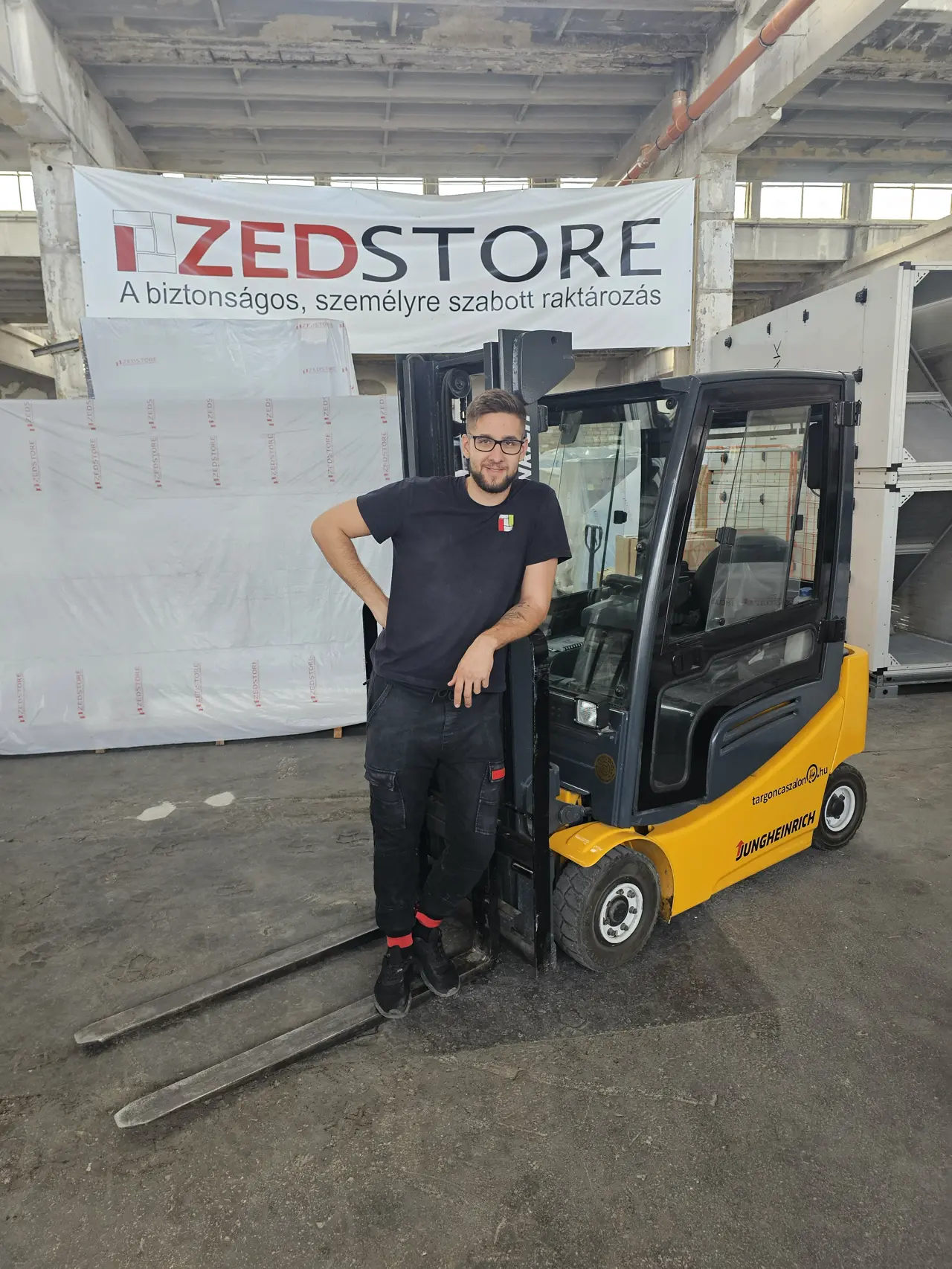
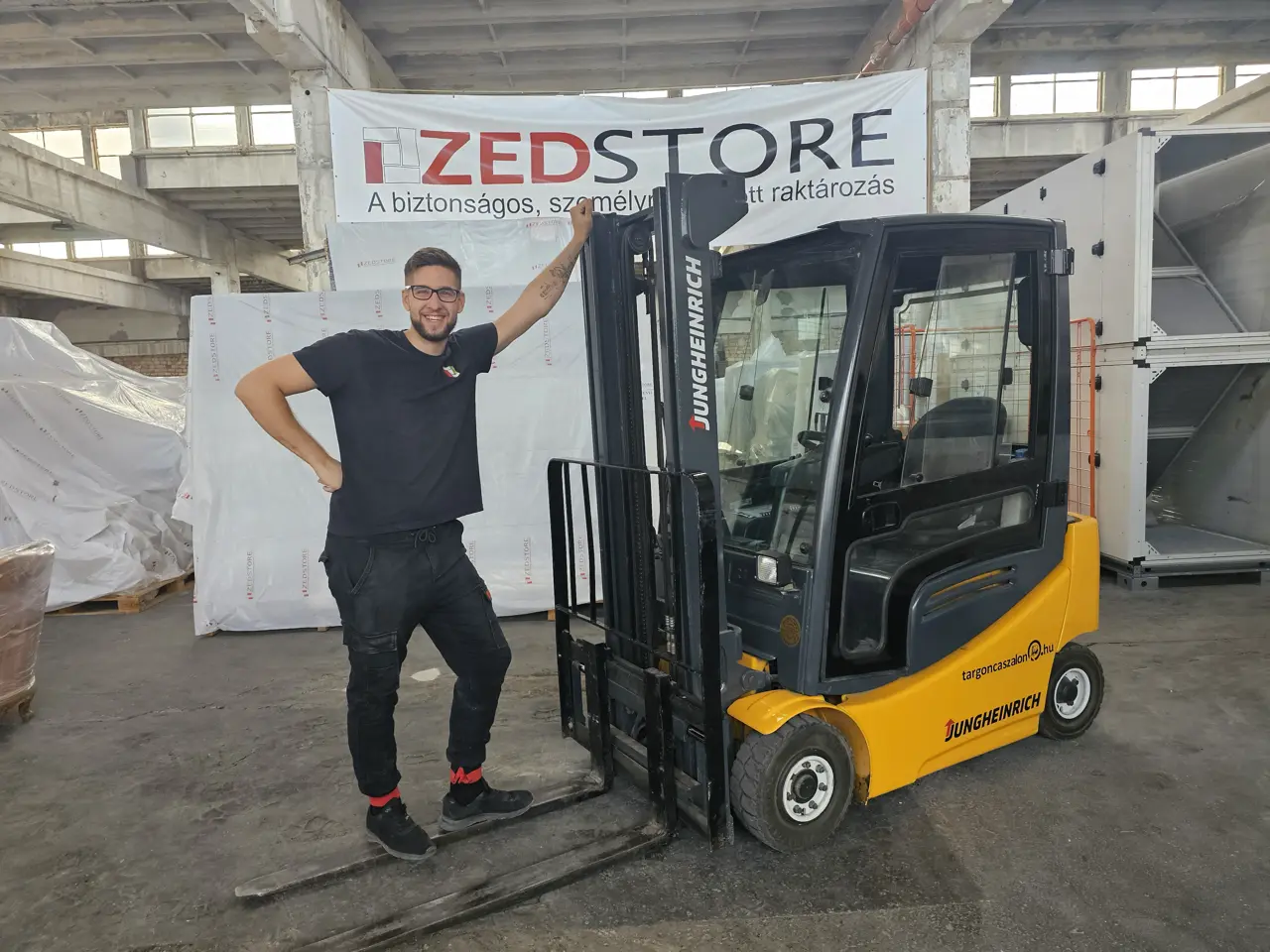
At ZedStore, forklift intake and release can be billed by the hour or per pallet, and you'll find the storage fees on the Pricing page.
What should you ask before signing a contract?
How can the warehouse be reached?
If the goods arrive by lorry, the warehouse has to be able to receive them: there needs to be enough room for the lorry, a loading dock or a large warehouse gate, and a forklift. ZedStore's warehouse is in Kőbánya, on Porcelán utca. It is accessible by lorry, at ground level, with a large warehouse gate.
How quickly are goods released?
For a webshop or a retailer it matters whether a release can be done within an hour or only the next day. Ask how much notice is needed for a release, and whether urgent releases are possible.
How is the stock documented?
Every intake and release should leave a written record of what came in and what went out. At ZedStore an itemised inventory is made on intake, and on release we sign a handover record.
What security and insurance arrangements are in place?
Ask about guarding, CCTV, alarms and fire protection, and whether the warehouse has property and liability insurance. It's also worth clarifying whether you need separate insurance for your own goods.
In what conditions are the goods stored?
Paper-based packaging, textiles, furniture and electronics are all sensitive to moisture. The warehouse should be dry, damp-free and rodent-free. ZedStore doesn't store in containers, basements or lightweight buildings, only in high-ceilinged, ground-floor brick buildings.
How flexible is the contract?
If your stock fluctuates, it's important to be able to increase and reduce the stored quantity without penalties. At ZedStore you can choose daily, weekly or monthly billing, and the area can be expanded or reduced at any time.
How should you prepare the goods for intake?
- Use standard pallets, and don't send damaged ones, because they can cause accidents during forklift handling.
- Wrap the goods securely, so that the pallet doesn't fall apart when lifted.
- Label every pallet in a clearly visible place: item number, description, quantity and company name.
- Send a delivery note or list in advance, so that intake is quick and the inventory is accurate.
- Flag any special handling needs: fragile, non-stackable, this way up.
When is pallet storage not the right solution?
If you need to process, label and hand over hundreds of small parcels to couriers every day, a full-service fulfilment provider may be the better choice. Pallet storage is strong where goods move by the pallet or in larger quantities, and the company organises onward delivery itself, or the warehouse delivers by truck.
ZedStore sits between classic self-service mini storage and rigid logistics warehouses sized for high volumes: it offers flexible space, forklift and manual handling, and transport, all in one place.