Every project manager knows the situation: the supplier delivers on time, sometimes even early, but the site is running late. The tiler is delayed, the permit hasn't come through, the previous tenant is moving out later, or it simply turns out the walls haven't dried yet. Meanwhile a lorry with 18 pallets of office furniture is already on its way, and it has to be unloaded somewhere.
The bad solutions are familiar to everyone: pallets in the corner of a building site, under a tarpaulin, in a half-finished shop unit, or at the company's own premises, which are crowded anyway. All of them are risky: the goods can be damaged, they get in the way of the work, and if something goes wrong, it's hard to establish whose responsibility it is.
When do project delays happen most often?
In our experience, companies come to us for temporary storage in these situations:
- Office moves and office furniture: the new furniture has arrived, but the office fit-out is still under way.
- Shop openings: the shelving, counters and opening stock arrive before the unit can be handed over.
- Construction projects: flooring, doors and windows, sanitaryware or building services equipment waiting to be installed.
- Production line or machine replacement: the new machine has arrived, but the old one hasn't been dismantled yet.
- Import shipments: once the container has been unloaded, there's no room for the goods at their final site.
- Events or exhibitions: stand elements and installations arrive a few days before the build-up.
What these have in common is that the need is temporary, the quantity is known in advance, and the release date depends on how the project progresses.
Why isn't on-site storage a good solution?
At first it seems simplest to leave the goods waiting on site, but this has several hidden costs:
- Damage and dirt. Building dust, paint, moisture and the movement of the work itself: even wrapped furniture or equipment can easily be damaged.
- Theft and liability. On a half-finished site with lots of people coming and going, it's hard to tell who had access to the goods and when.
- It gets in the way of the work. The pallets have to be moved around constantly so the trades can work, which costs time and money.
- Insurance issues. Damage that occurs somewhere not designed for storage is often hard to claim for.
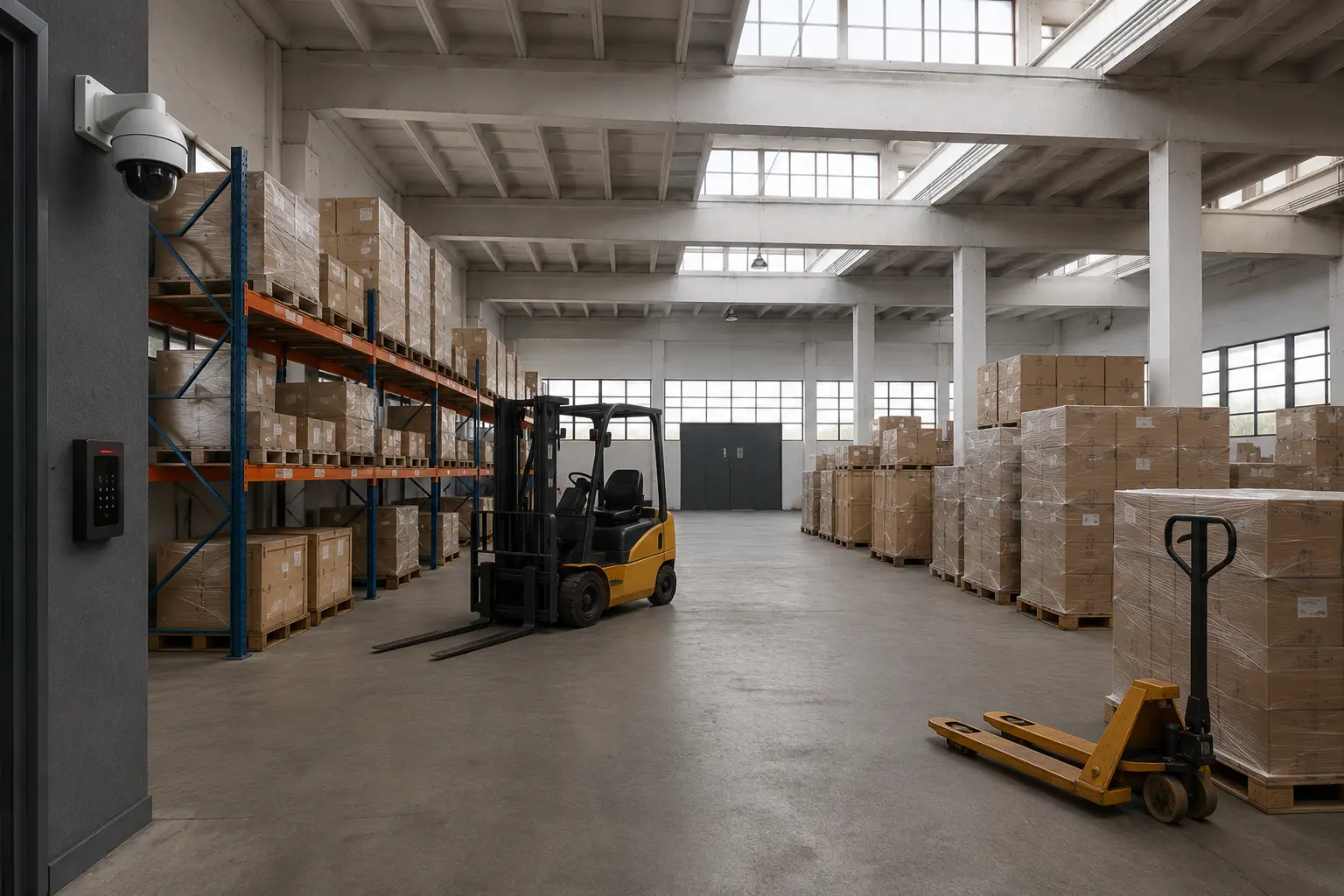
In a guarded, dry warehouse the goods stay untouched until installation, with precise records of what came in and in what condition.
What should a good temporary warehouse offer?
Not every warehouse is suited to handling a project delay flexibly. These are the points worth checking:
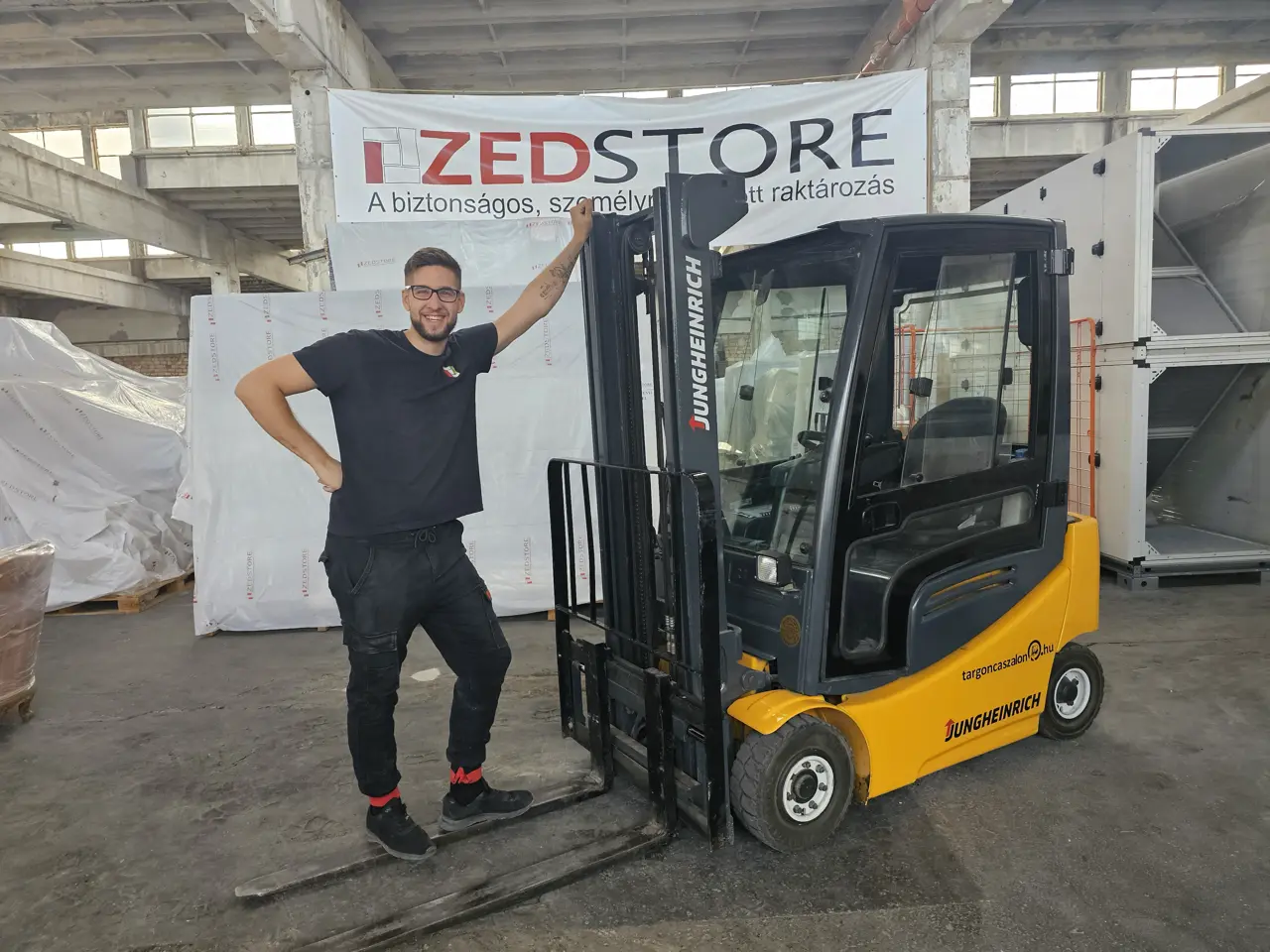
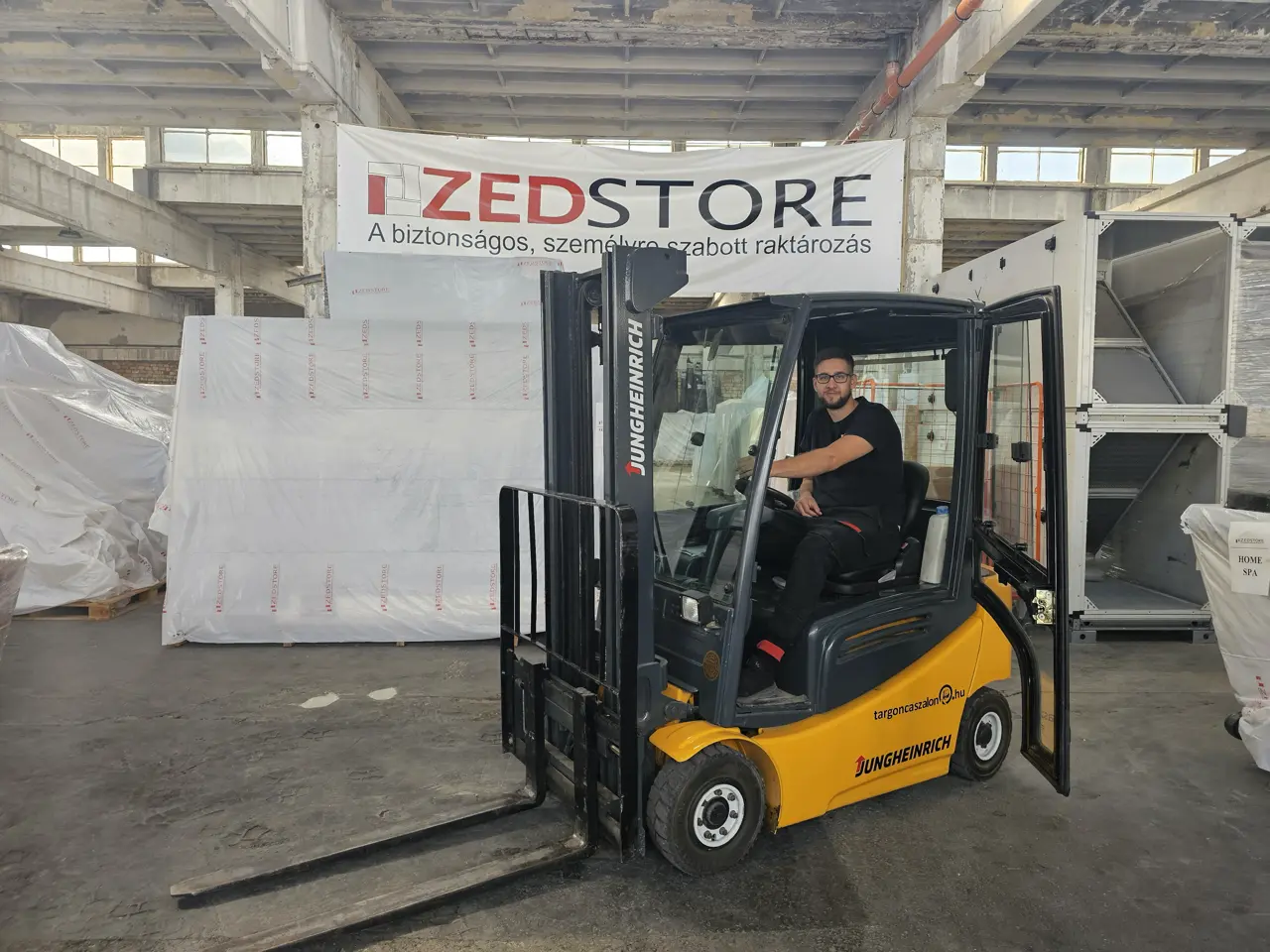
Lorry access and unloading. If the shipment arrives by lorry, the warehouse has to be able to receive it. ZedStore's warehouse in Kőbánya receives shipments with a large warehouse gate, ground-floor storage and a forklift.
Forklift and manual handling. Palletised goods need a forklift, while cartons or large one-off items need experienced manual handling. We can do both.
Flexible billing. If you don't know exactly whether you'll need the space for two weeks or two months, don't sign an annual contract. At ZedStore you can choose daily, weekly or monthly billing.
You only pay for the space you use. If you bring 12 pallets of goods, you shouldn't have to pay for a 50 m² unit. We charge based on the floor area you actually occupy.
Documented intake and release. An itemised inventory is made for every intake, and on release we sign a handover record. This gives security to the project manager, the supplier and the client alike.
Delivery to site. Once the site is ready, our 3.5-tonne trucks and team deliver the goods, in several runs if needed, in line with the installation schedule. Within Budapest we don't charge a mileage fee.
How to organise it step by step
1. Estimate the quantity. Number of pallets, number of cartons, and the size and weight of the largest item. If you don't know exactly, send us a photo of the delivery note or the load, and we'll help you work it out.
2. Agree the arrival time. Give the haulier the warehouse address and opening hours (weekdays 8:00–18:00, by prior arrangement), and let us know when the lorry is due.
3. Set out the expected release schedule. You don't need an exact date; an estimate is enough, such as "the second half of October, in two batches". That lets us plan the truck and the team in advance.
4. Name a contact person. Who can give instructions for release? Who can receive the goods? This is especially important when several companies are working on the same project.
5. Ask for the inventory. After intake you'll receive the itemised list, which makes it easy to request releases.
How much does it cost, and how do you work out whether it pays off?
It's worth comparing the cost of temporary storage with the other costs of the delay. How much would it cost to replace a damaged piece of furniture or equipment? How many working hours go into constantly moving the goods around on site? What's the risk of theft? In most cases, a few weeks of storage fees are a fraction of that.
ZedStore's monthly fees are tiered: the larger the area you rent, the lower the price per square metre. For a short delay we can also bill at a daily rate. You'll find the exact prices on the Pricing page; forklift intake and release are charged per pallet or by the hour.
If you're also weighing up your own warehouse against self-storage in the longer term, read our article Own warehouse or self-storage: which pays off for your business?
What does this look like in practice?
Take a typical situation. An office furniture company receives 20 pallets of furniture from the manufacturer, but the plasterboard work in the client's office is three weeks behind. The pallets arrive at the warehouse by lorry, we store them with a forklift, and an itemised inventory is made. When the office is ready, we deliver the goods to site in two runs. The company pays three weeks of storage and the delivery, and in return it doesn't have to work around pallets in a half-finished office or worry about the furniture being damaged before installation.