Don't just compare the rental fee
The total cost of your own warehouse includes not just the rent for the space, but also utilities, maintenance, insurance, equipment, staff and the cost of idle capacity.
With self-storage, you need to clarify what the base fee includes, how much goods handling costs, and what time frame you're committing to. A transparent comparison projects every line item onto the same month and quantity of goods.
- space and utilities
- loading and forklift costs
- labour and administration
- maintenance and idle capacity
- transport and access
Utilisation matters more than maximum capacity
If you store roughly the same amount of goods all year round, your own warehouse can be a plannable long-term choice. With strongly seasonal or project-based operations, though, you can easily end up paying for unused space for months.
With flexible self-storage, you can think in daily, weekly or monthly terms. This can help the cost follow your actual capacity needs.
Factor in operating time and responsiveness
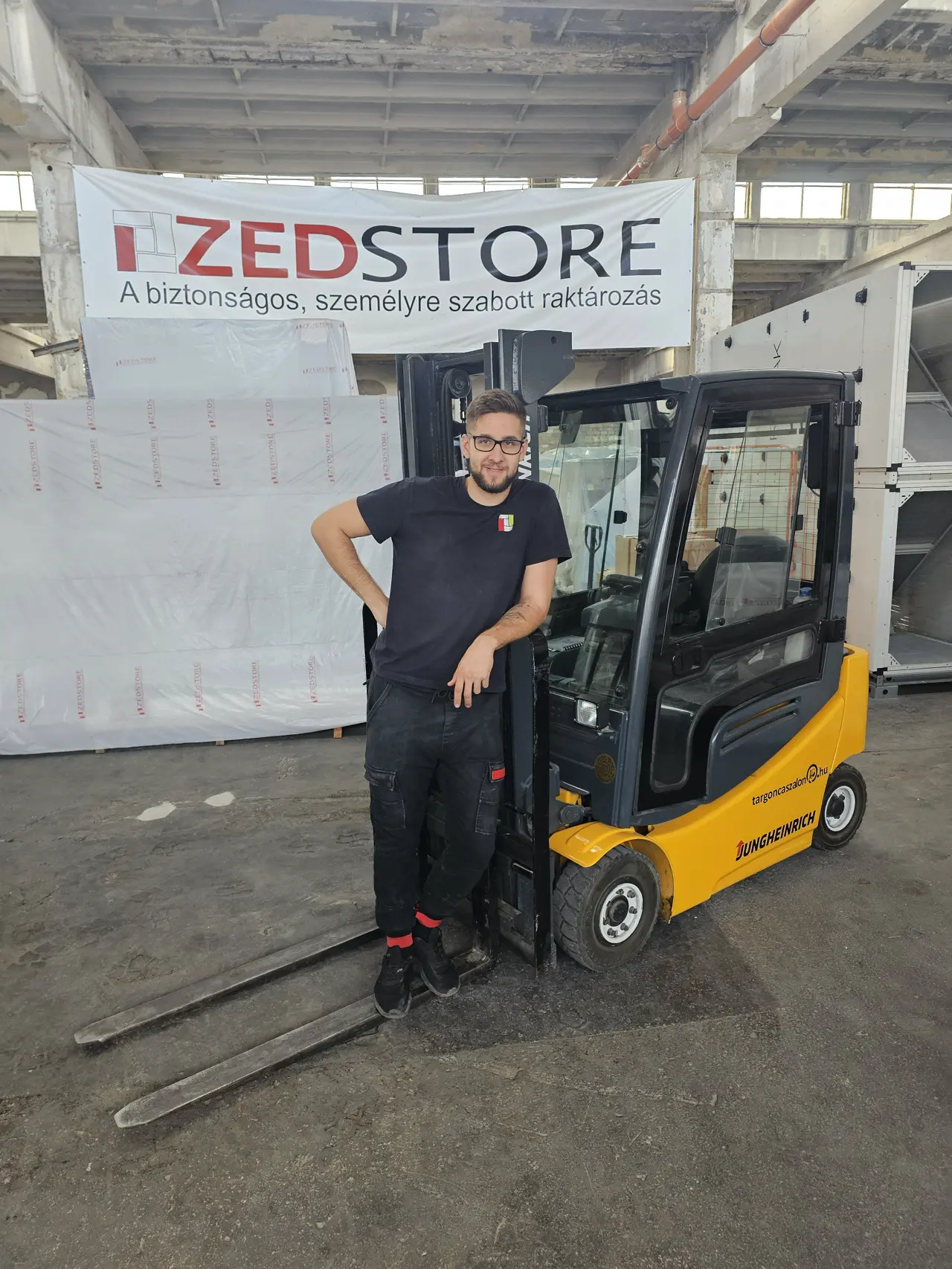
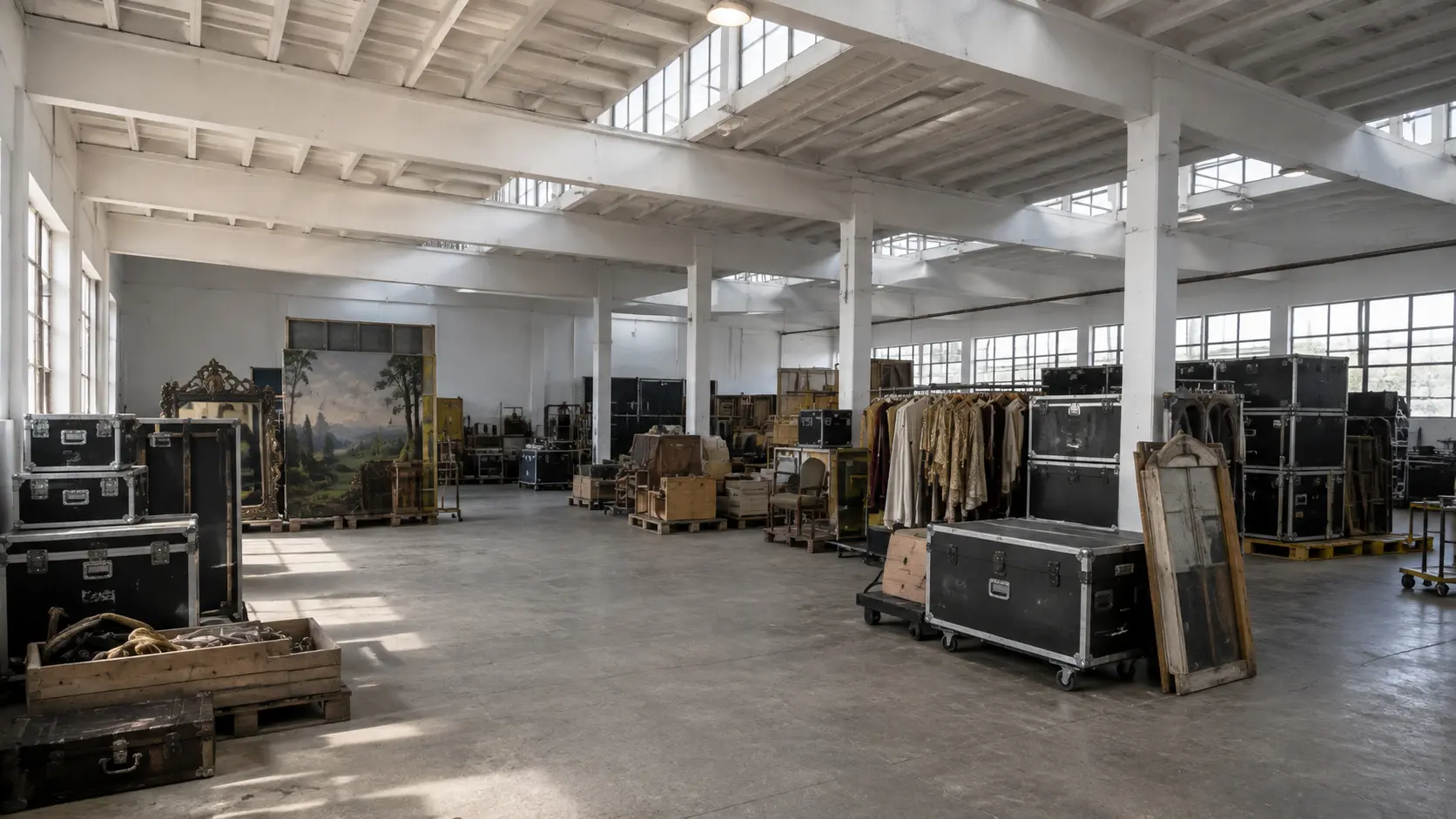
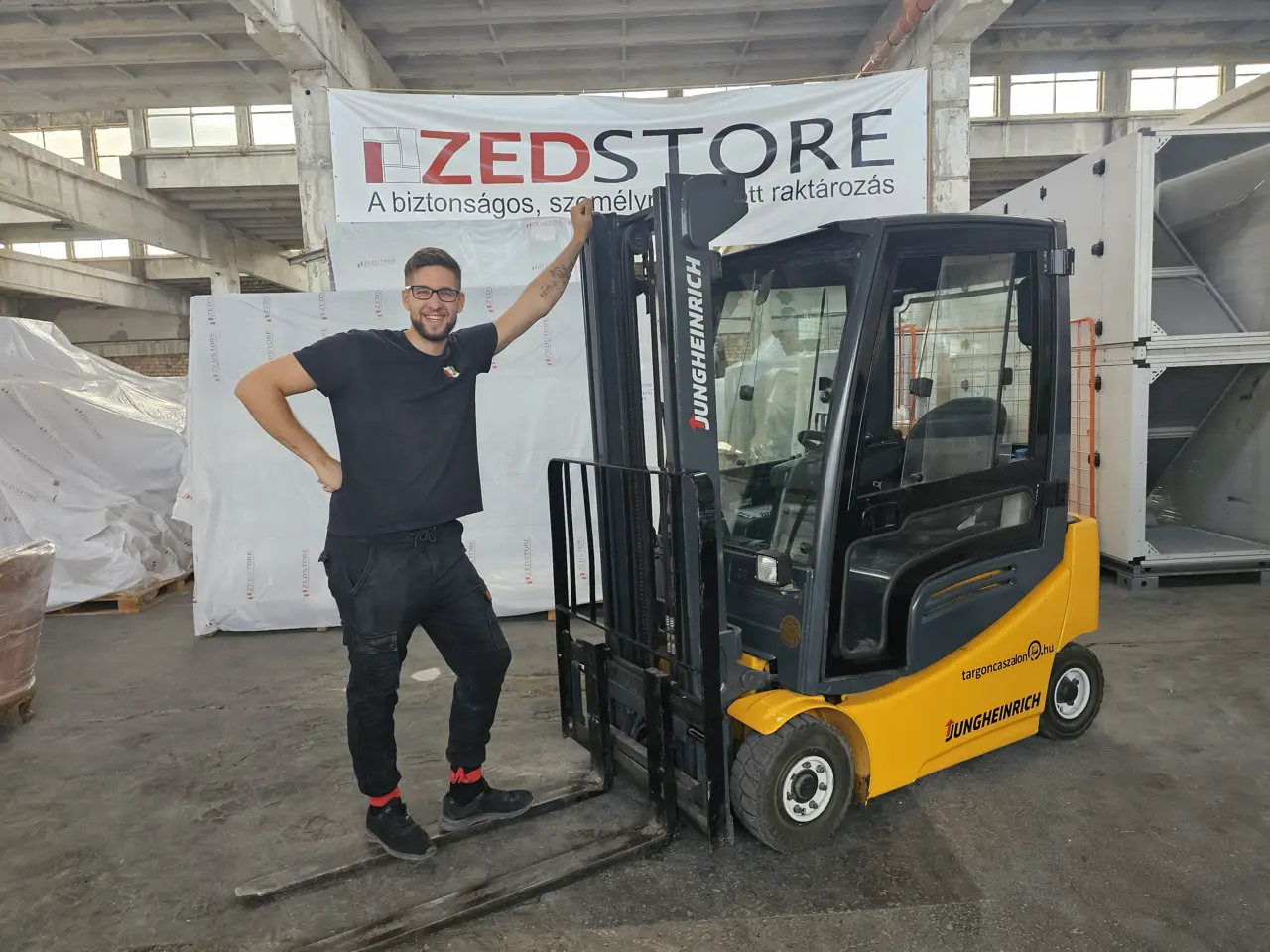
A good warehouse doesn't just store — it speeds up loading and unloading. A ground-floor layout, large doors, truck access and forklift support all directly affect loading time.
In the event of an unexpected project or stock increase, instantly available extra capacity can be a business advantage. Expanding your own warehouse, by contrast, is usually a longer decision and construction process.
When can self-storage be the better choice?
It's especially worth examining if your storage needs fluctuate, arise from a short-term project, you need a Budapest base as a company based elsewhere, or you'd rather not keep logistics tasks in-house.
Always base your final decision on your own goods-handling data, time frame and service needs — not on general promises.