Why doesn't a warehouse sized for peak season pay off?
If you size your warehouse for the Christmas or Black Friday peak, you'll pay for significant unused capacity for most of the year — rent, utilities and upkeep alike.
Flexible self-storage, by contrast, lets you expand your rented space before the season and reduce it afterwards, so the cost follows your actual stock levels more closely.
Which product ranges benefit the most?
Palletised, boxed or unit-packed products are the easiest to scale seasonally, because they can be measured and moved quickly with a forklift.
For seasonal collections, sale stock or a one-off larger purchase, it's especially worth considering short-term self-storage before deciding to expand your own warehouse.
- Christmas and holiday season stock
- sale or campaign-period purchases
- stock ahead of launching a new product category
- surplus quantity from a supplier's minimum order
What should you watch for in terms of fulfilment speed?
For a webshop, the warehouse isn't just storage — it's part of the delivery chain, so it's important that loading and unloading happen quickly, and that the warehouse is accessible by truck or courier.
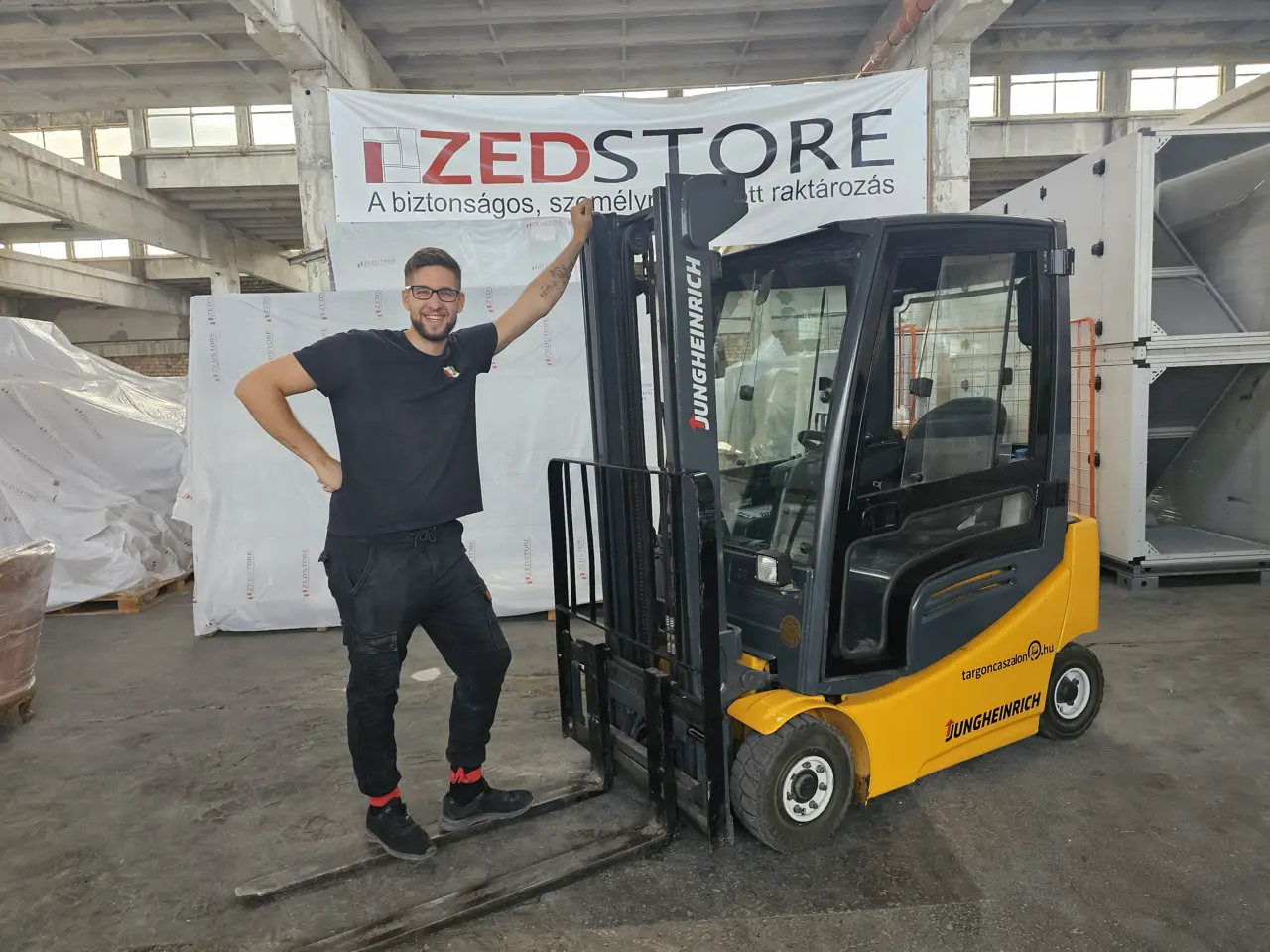
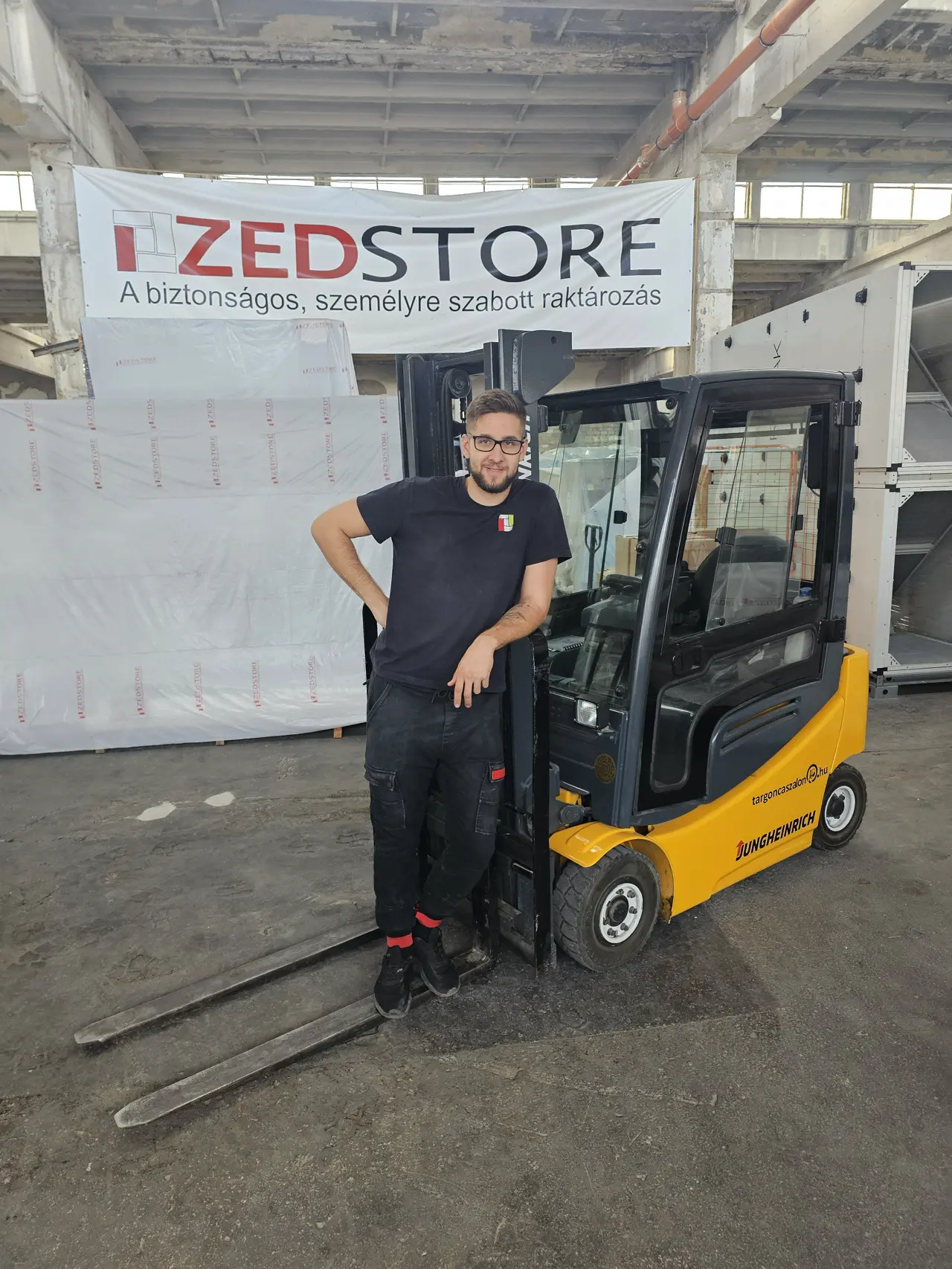
Ask how quickly a shipment can reach the loading point, and whether forklift service is available for larger, palletised quantities.
How do you work out if it's worth it?
Compare the cost of seasonal self-storage with what it would cost to maintain that same extra space in your own warehouse all year round — including utilities, upkeep and any idle capacity.
At ZedStore, the monthly fee is HUF 3,500/m² up to 20 m², HUF 3,200/m² between 21–50 m², HUF 2,900/m² between 51–100 m², and a custom quote above 100 m²; for shorter periods, space can also be rented at a daily rate of HUF 100/m² — so even a few weeks of peak season doesn't require a long-term commitment.