What makes loading or unloading fast?
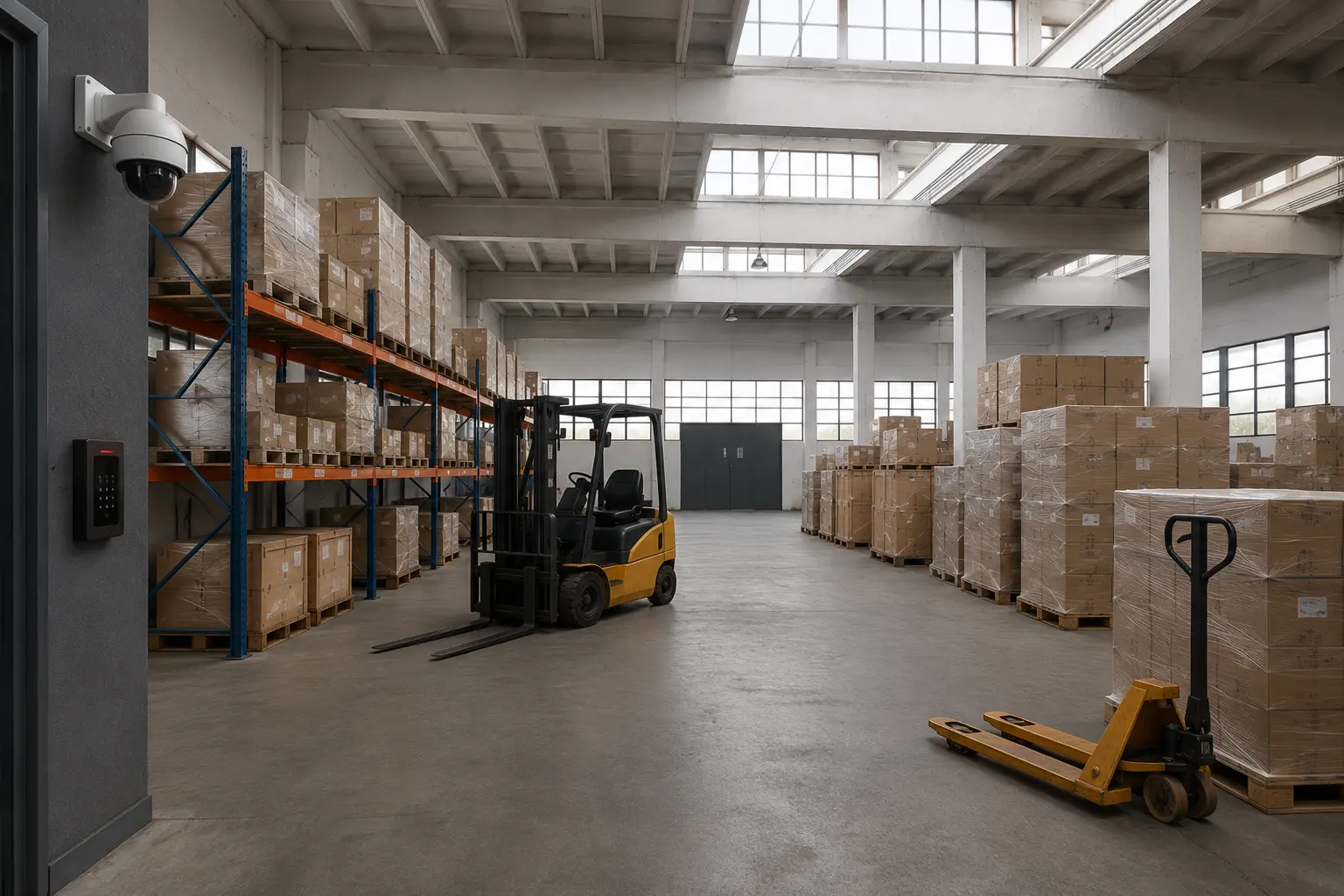
Speed isn't determined by warehouse size alone, but by accessibility: a ground-floor layout, a large door reachable by truck, and forklift service all directly cut down the time spent loading.
It's worth asking how many trucks or vans can pull up to the loading point at once, and how quickly a shipment can reach the storage spot inside the warehouse.
Book a time slot — don't just show up
Build-up before an event is usually bound to a tight deadline, so it's worth booking the warehouse pickup in advance too, rather than leaving it to the last minute. A pre-booked slot guarantees that the needed staff and equipment will be available.
Ask how to flag an urgent or out-of-hours request, and how much advance notice the warehouse expects for moving a larger quantity.
Forklift or manual handling — when does each matter?
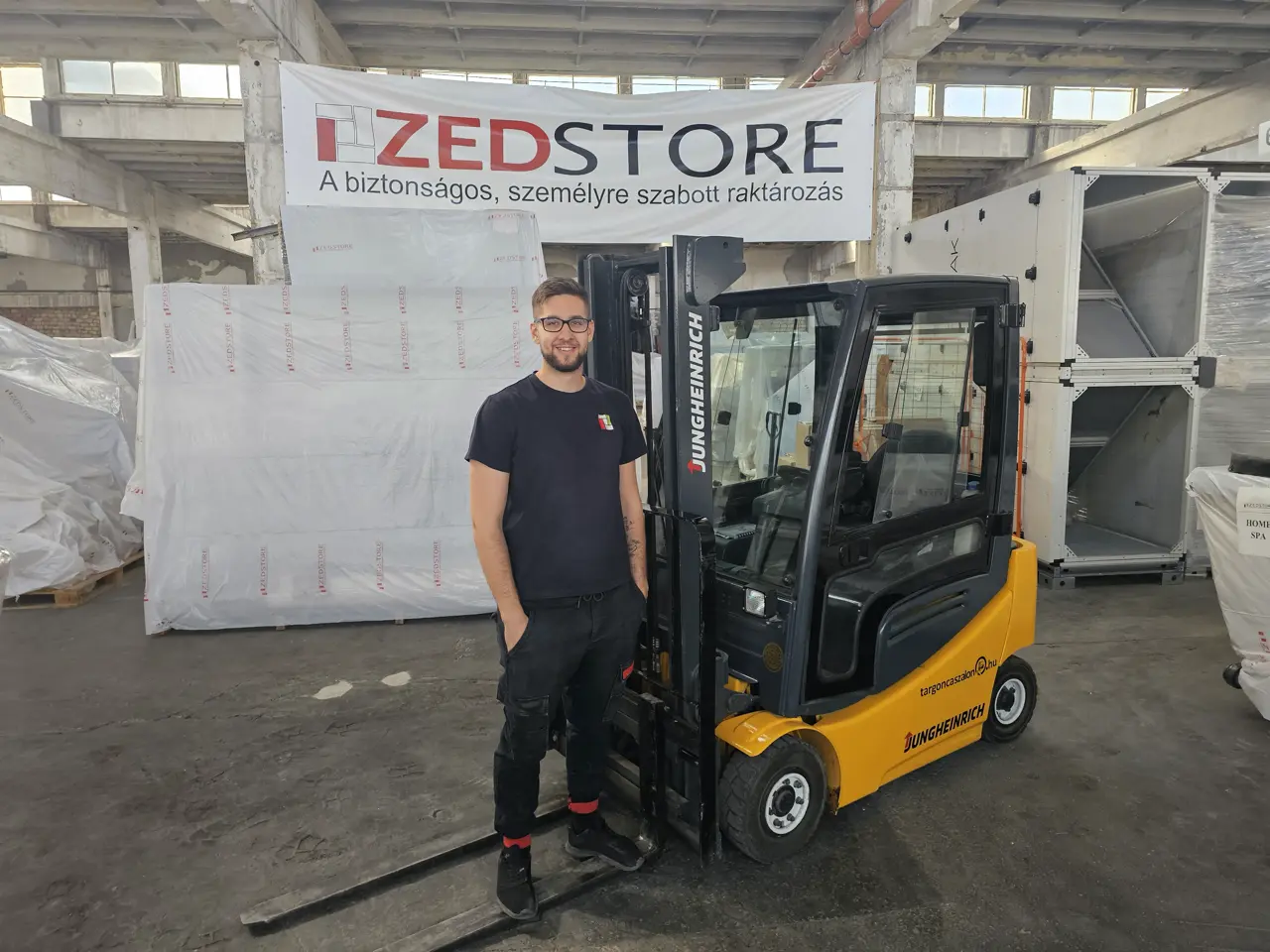
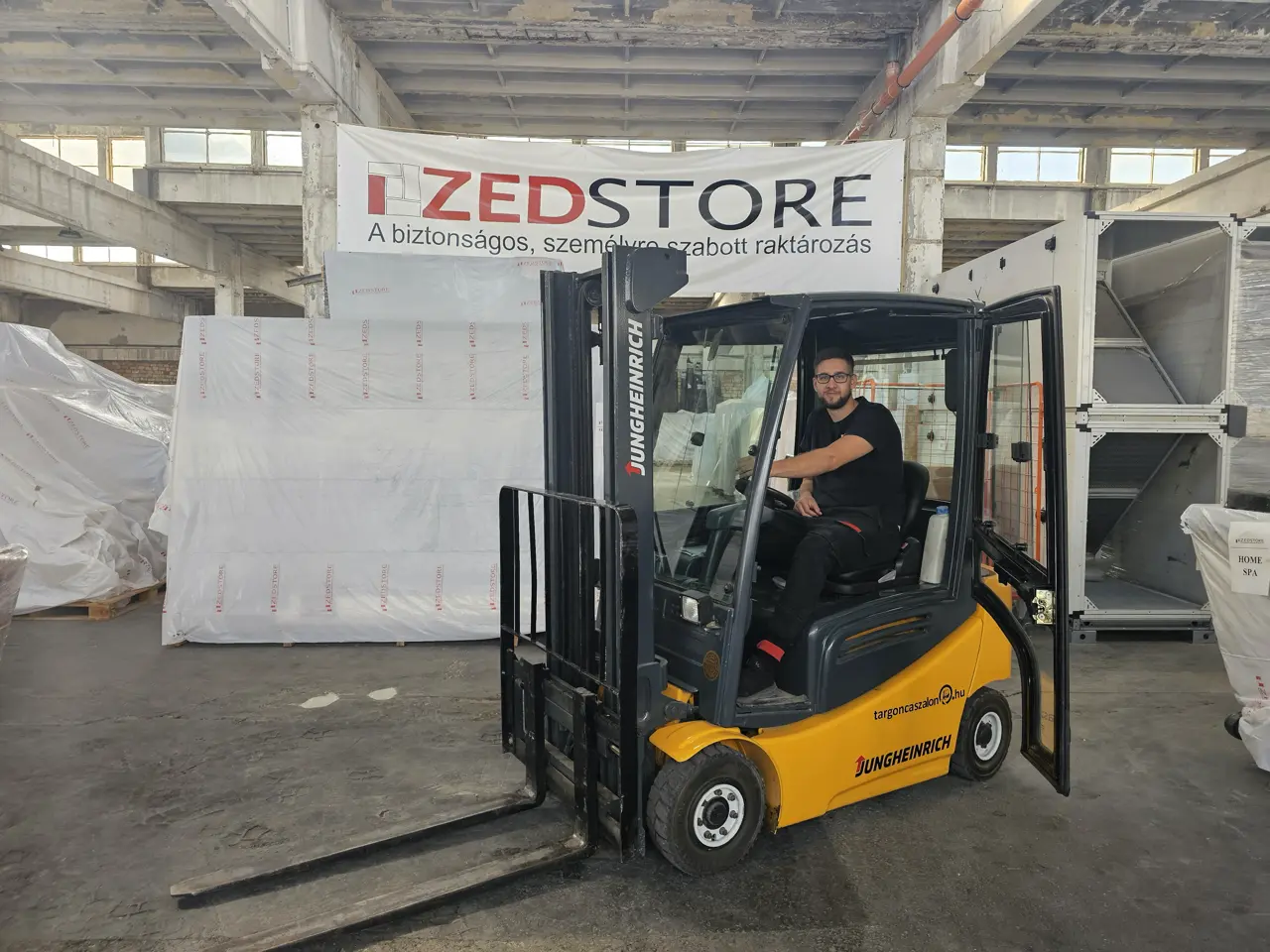
Palletised, high-volume or heavy items (tent frames, counters, technical equipment) should always be moved with a forklift — it's faster and safer than manual loading.
For smaller, frequently moved boxes and hand tools, the man-and-van service may be enough, if there's no need to ship out a large quantity at once.
- forklift handling for palletised, heavy items
- man-and-van service for smaller quantities
- a pre-booked time slot for larger moves
- accessibility by truck or van
Build warehouse logistics into the event timeline
The build-up schedule should match how and how fast you can get the equipment out of the warehouse — this avoids on-site work slipping because of a warehouse bottleneck.
Fast return storage after the event can be planned the same way: if you let us know in advance when the return delivery is expected, the warehouse can prepare for it too.