What equipment puts the most strain on warehouse capacity?
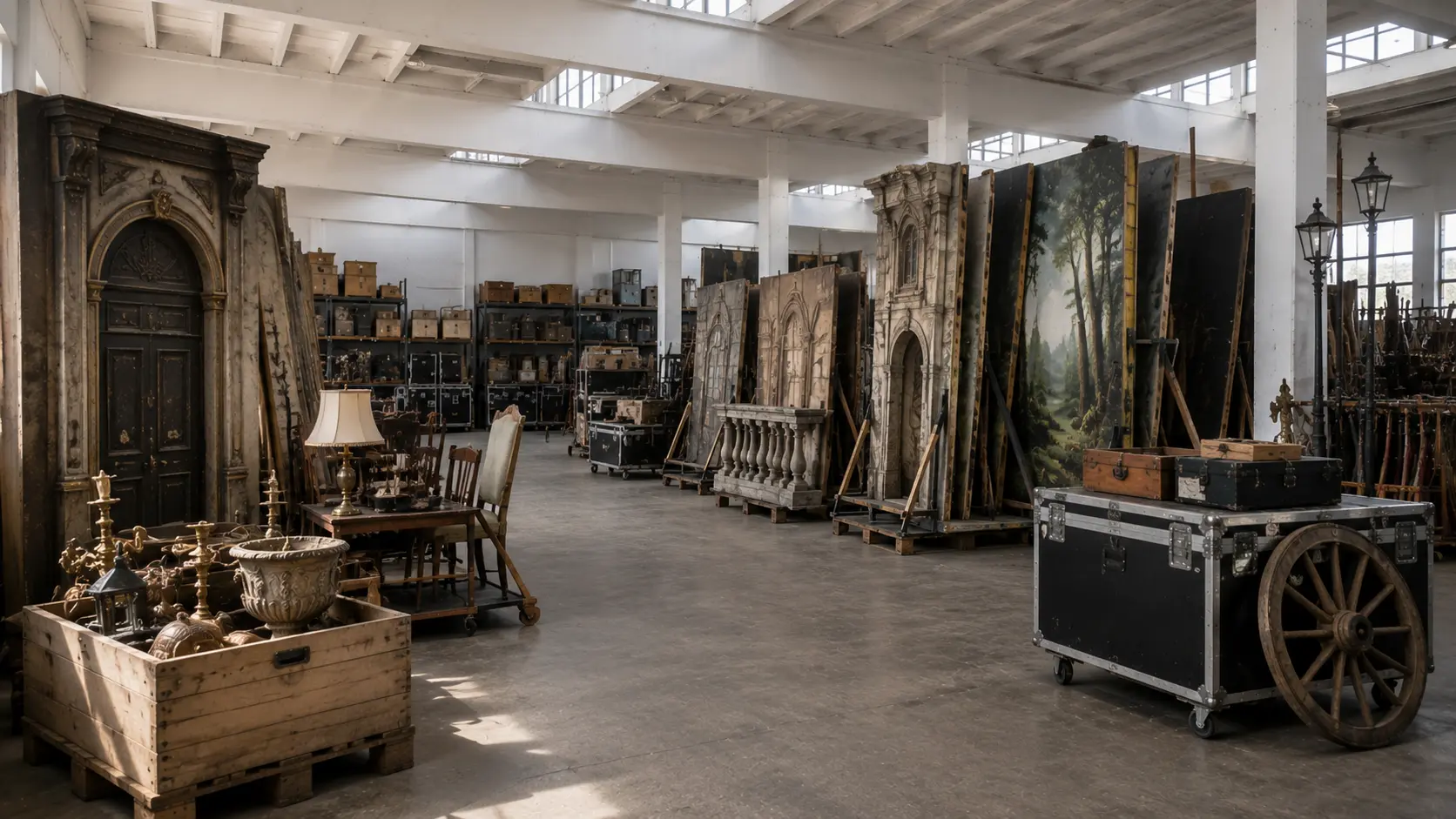
For most event companies, it's not one or two large items but many pieces of equipment of varying sizes that pile up — together they take up the most space, not individually.
It's worth thinking through, before storage, what needs to be at every event and what comes out less often — this helps decide what should be easily accessible and what can go further back in the warehouse.
- tent frames and marquee elements
- counters, stand elements, banners
- sound and lighting equipment, cabling
- decor, chairs, small furniture
How should you pack technical equipment?
Sound and lighting equipment is sensitive to moisture and impact, so it's worth storing it in its original box or in a padded, impact-resistant crate. Keep cables coiled and labelled, so you don't have to identify each one again at the next setup.
Keep tent frames and metal elements in a dry place to prevent rusting, and protect decor from dust with wrapping or a cover.
Why does forklift handling matter?
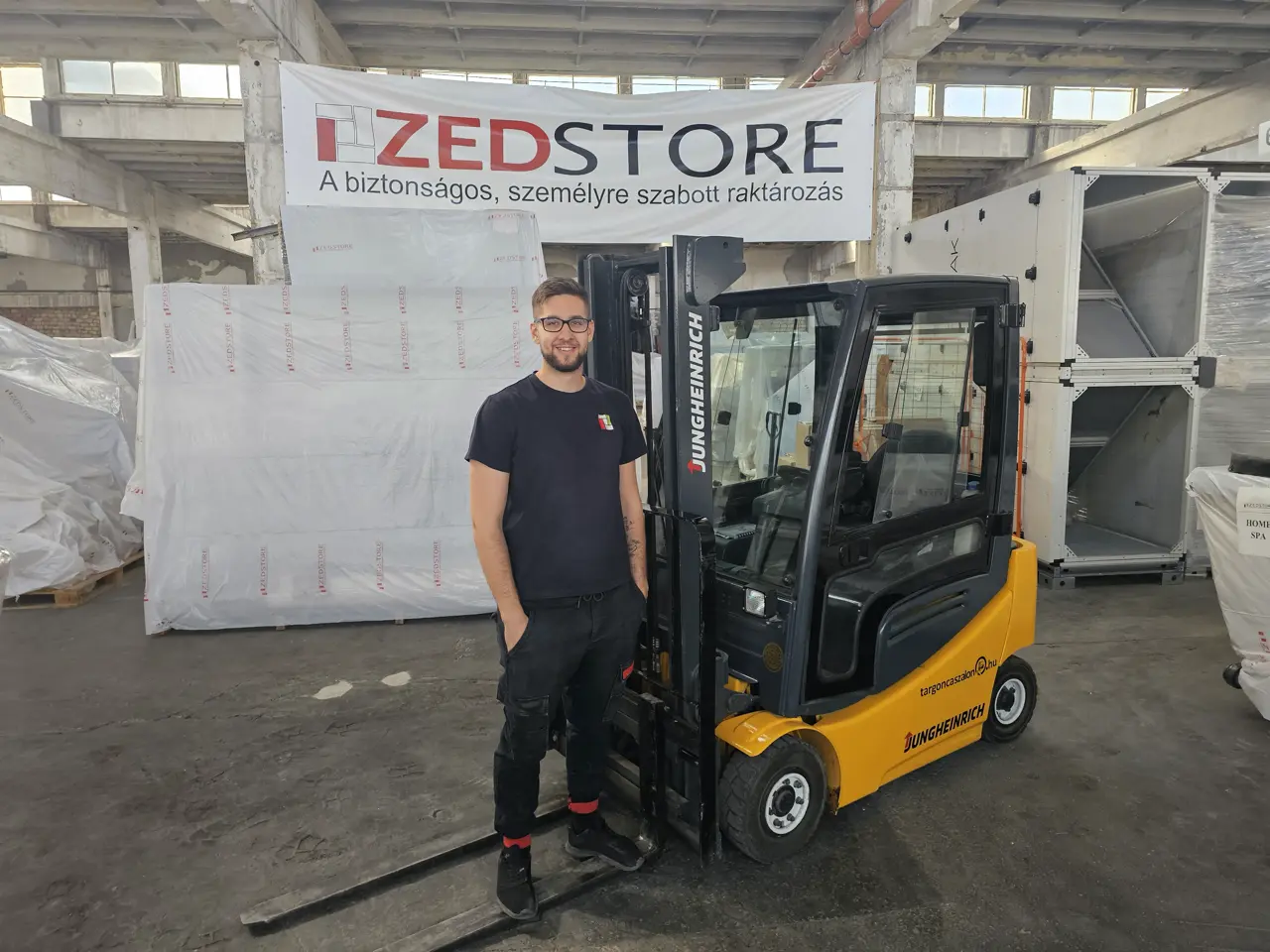
Moving larger stand elements, counters and tent frames by hand can be slow and risky. In a ground-floor warehouse with a large door, forklift-assisted loading and unloading is much faster, especially during a season change when a lot needs to move at once.
Ask whether you need to bring your own forklift, or whether it's part of the warehouse's service — this has a real impact on how quickly you can set off for the next event.
Why doesn't it pay to rent a warehouse for the whole year?
Most event companies don't need the same amount of warehouse space all year round — less equipment is stored at the season's peak, more during the off-season.
With daily, weekly or monthly billing, you pay exactly for the space you actually need, so unused capacity doesn't burden the budget during the off-season months.