What kind of theatre props are worth storing in a warehouse?
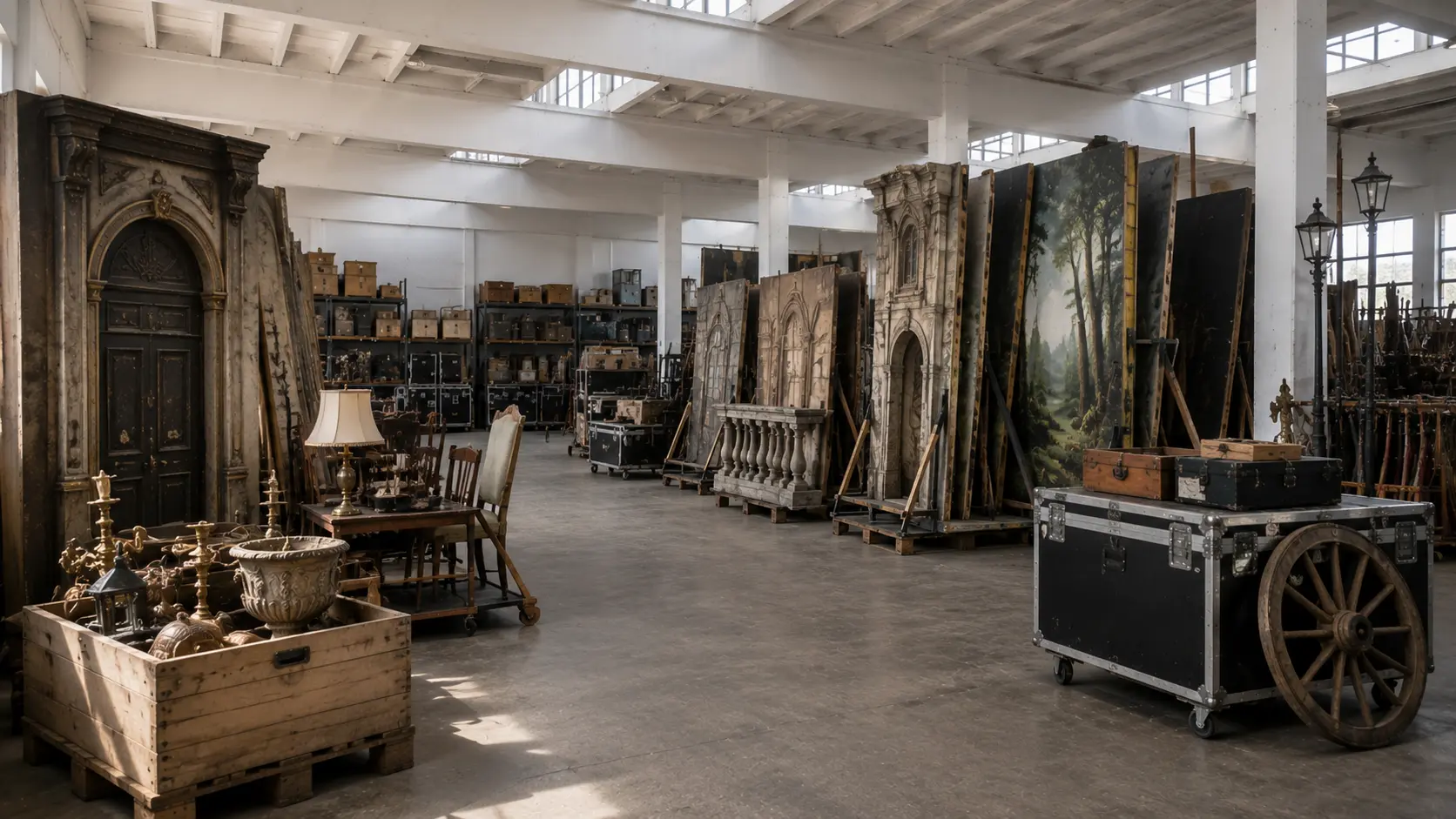
A production's storage needs are rarely uniform: some things return for every show, while others are made for a single piece and might wait years until the next revival.
It's worth thinking through the type and size of the items before choosing a warehouse, since this determines how much space you need and how the items should be moved.
- set pieces and larger furniture
- costumes and accessories
- smaller props
- technical equipment and gear
What makes a set and prop warehouse safe?
A painted set surface, upholstered furniture or an embroidered costume is more sensitive to moisture, temperature swings and pests than a simple palletised stock of goods.
Ask about the warehouse's ventilation, whether they have experience storing similarly sensitive materials, and how stored items are protected from dust and moisture.
- camera monitoring and access control
- dry, well-ventilated storage space
- wrapping and covering options
- organised, shelved or palletised placement
How should you move larger sets?
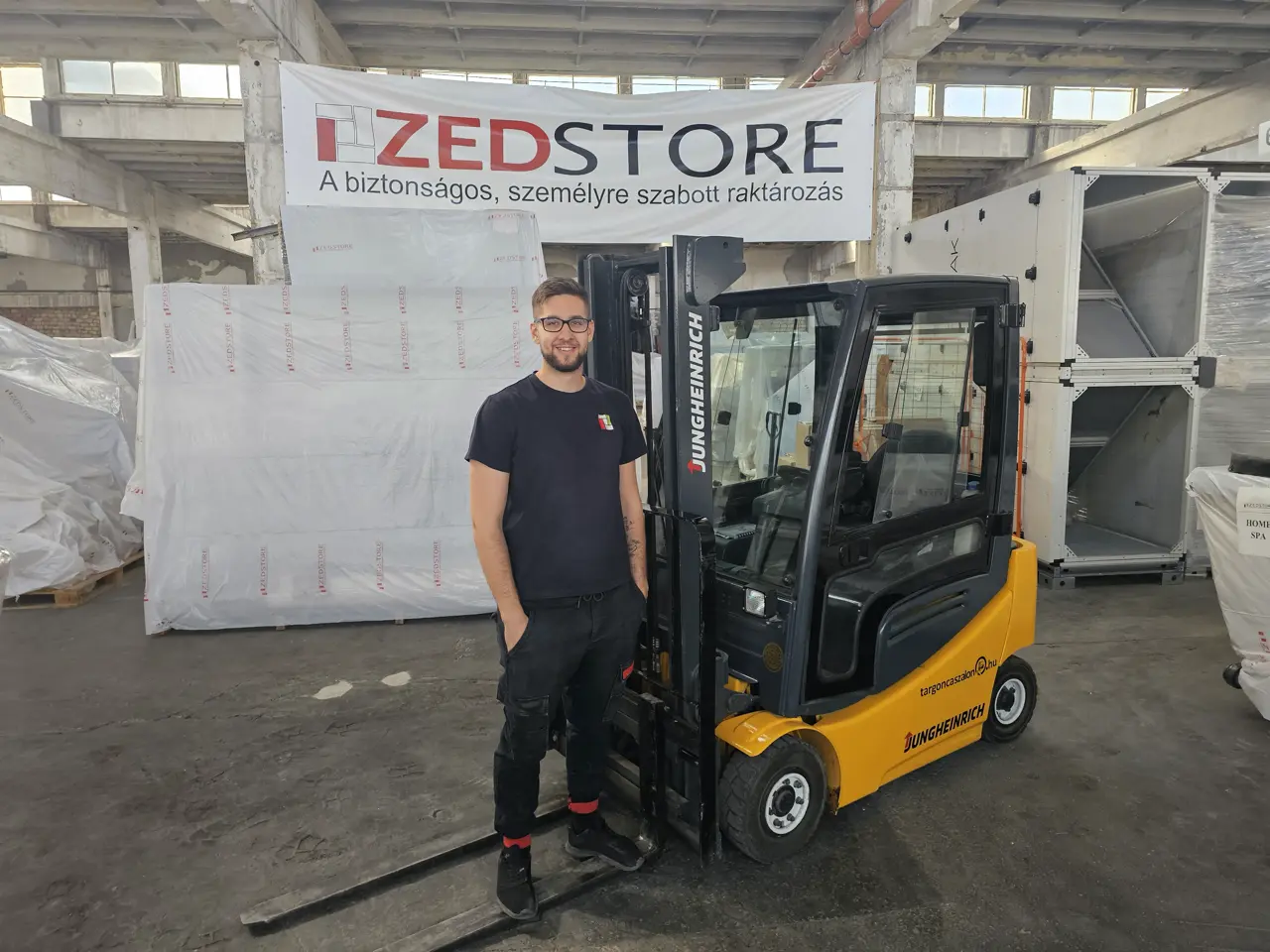
Moving a larger set piece or furniture by hand can be slow and risky. In a ground-floor warehouse with a large door, forklift-assisted loading and unloading is a much faster and safer solution.
If you regularly move larger items, it's worth choosing a warehouse where forklift handling is an on-site service, not something you have to organise separately.
When do you need fast access?
Rehearsal schedules and performance timing rarely fit a long-term, inflexible storage contract. In practice, what matters is that you can actually access your stored props at a pre-arranged time.
With daily, weekly or monthly billing, you pay exactly for the time you actually need the space — this matters especially for off-season sets and touring companies.