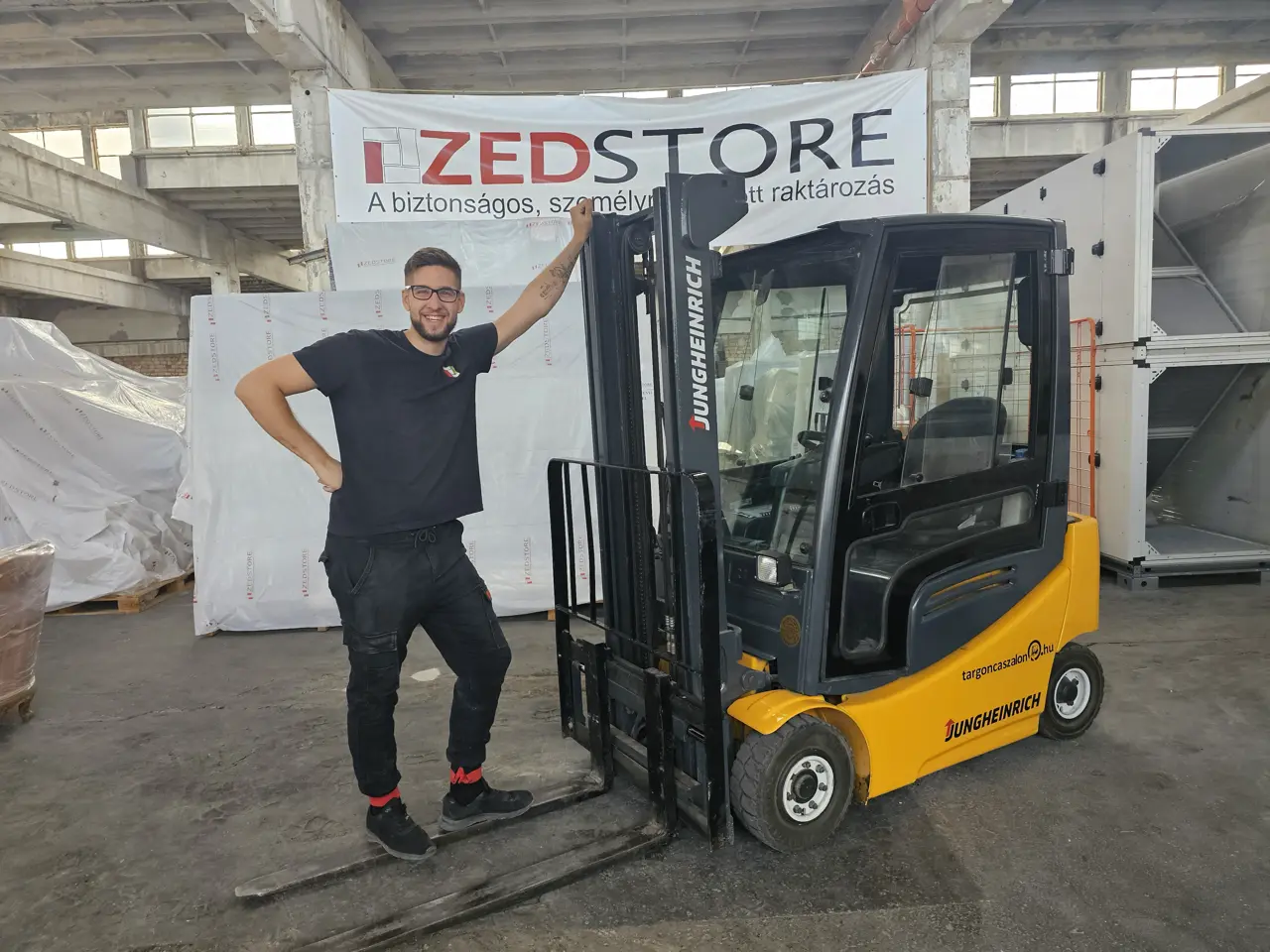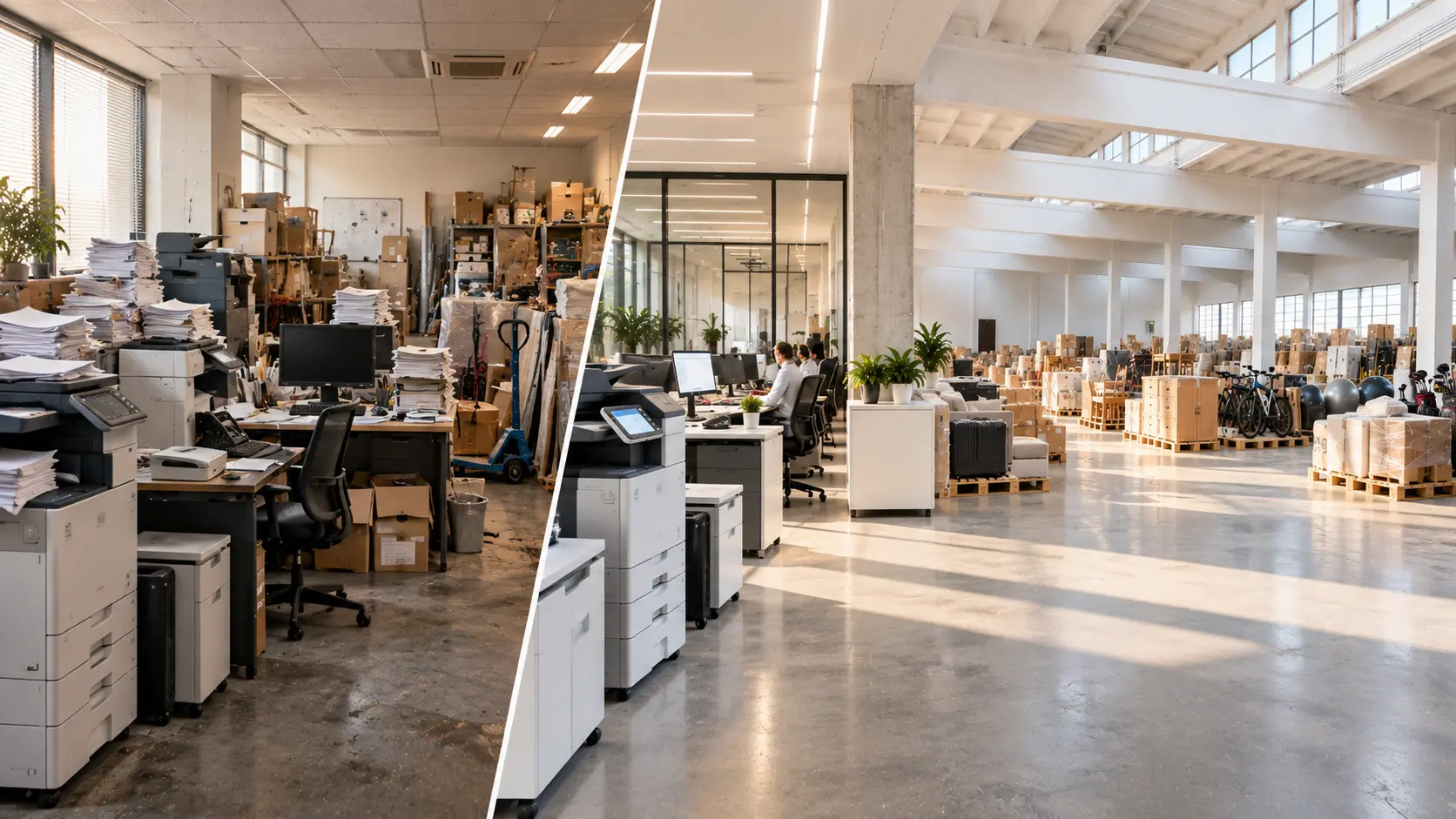
Almost every office has a corner, a row of cabinets or an entire room taken up by document boxes. Old invoices, contracts, payroll records and project documentation. You rarely need to touch them, but you can't throw them away. Meanwhile you pay rent by the square metre, and office space costs far more per square metre than warehouse space.
In this article we go through what needs to be kept, how best to organise your archive, and what to look for if you want to store it in an external warehouse.
Why shouldn't the office be your archive?
An office room used as an archive is expensive in several ways:
- Rent: office space in the city centre costs several times more per square metre than warehouse space. If document boxes take up 10–15 m², that adds up to a serious sum every year.
- Working space: the freed-up room could become a meeting room, a workstation or a shared space.
- Risk: an office isn't designed for keeping documents. A leak, a burst pipe or a fire can destroy irreplaceable documents.
- Disorder: in an unorganised archive, finding a single document can take hours.
When you move offices, the problem becomes even more pressing: nobody wants to take the entire archive to the new office, but it has to be kept somewhere.
What needs to be kept, and for how long?
Document retention obligations are governed by several pieces of legislation, and the exact period depends on the type of document. The most important general rules in Hungary:
- Accounting records: under the Accounting Act, the documents supporting the bookkeeping must be kept in a readable form for at least 8 years.
- Annual report, inventory, general ledger extract and journal: these are also subject to a retention obligation of at least 8 years.
- Employment and payroll records: some records, such as the data needed for social security and pension entitlements, must be kept for much longer.
- Contracts: until claims arising from the contract become time-barred, but it's worth keeping them for some years after the contract ends as well.
- Tax documents: at least until the right to assess the tax becomes time-barred.
Because the rules can vary by industry and document type, always check the exact retention periods with your accountant or legal adviser. It's worth drawing up a simple document management policy with them too.
How should you organise your archive before moving it into storage?
A well-prepared archive makes it easy to find documents later and to destroy expired ones.
1. Sort the documents by type and year. Invoices, contracts, employment records and projects, each kept separately and broken down by year.
2. Use uniform archive boxes. Standard archive boxes with lids can be stacked, are stable and protect the contents from dust.
3. Number the boxes and make a box list. Each box should show its number, the document type, the period (for example, "Incoming invoices, January–June 2021") and the earliest date it can be destroyed.
4. Keep a central register. A simple spreadsheet is enough: box number, contents, period and destruction date. With it, any document can be found in minutes.
5. Seal and mark the boxes. A sealed, numbered box ensures that the contents are only accessible to authorised people, and the warehouse can inventory items at box level.
6. Weed out expired records every year. Using the register, pick out the boxes whose retention period has expired each year, and make sure they're destroyed properly.
What should you look for in off-site document storage?
Not every warehouse is suitable for storing documents. Paper is particularly sensitive to moisture, temperature swings and pests. Check these points:
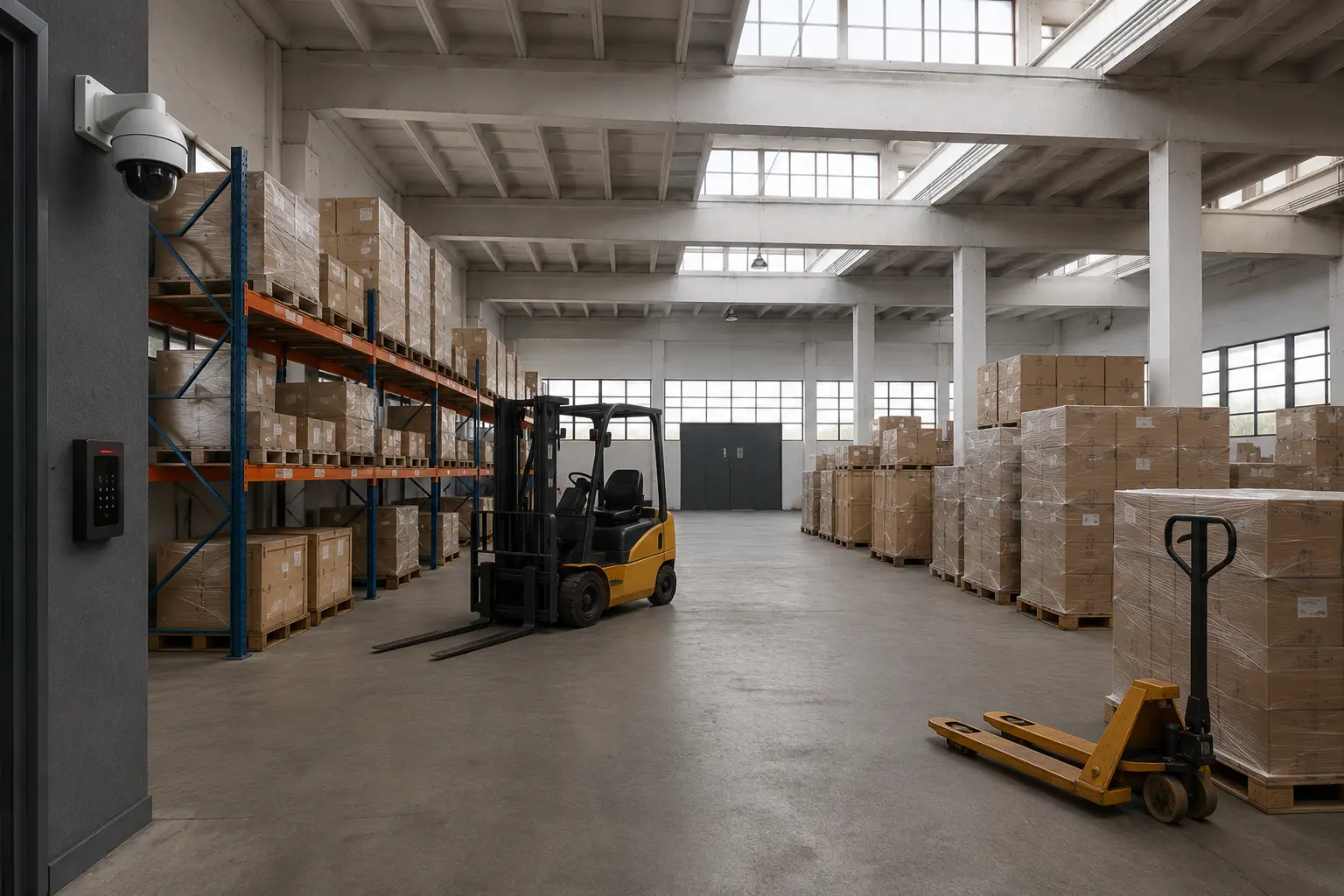
A dry, damp-free environment. Paper stored in a damp cellar or a container can go mouldy within a few months, and the ink can run. ZedStore stores in clean, dry, damp-free, high-ceilinged brick buildings.
Free of rodents. Paper and cardboard attract rodents. The warehouse should be pest-free. ZedStore's storage areas are rodent-free.
Fire protection. Documents are flammable, so fire protection is key. ZedStore stores in an area secured with special fire protection.
Security and access control. Who can access the boxes? Is there 24/7 security, CCTV and an alarm? At ZedStore all of this is in place, and the contract can specify that only the people you name may request the release of boxes.
Retrievability. If a document is needed (during a tax audit, for example), how quickly will you get it? With us you can access the boxes at any time by prior arrangement, or we can deliver them to your office.
Data protection. When storing documents that contain personal data (such as employment records), data protection rules must also be taken into account. Check with your data protection officer which conditions need to be set out in the contract.
How much does document storage cost?
At ZedStore, documents are also stored on a per-square-metre basis, and you only pay for the space you actually use. An archive of standard archive boxes, neatly stacked, takes up surprisingly little space: several hundred boxes can fit on a few square metres. Monthly fees are tiered, and you'll find current prices on the Pricing page.
If you'd like to deal with the documents as part of an office move, our truck and team will take the boxes straight from the office to the warehouse.
One step further: outsourcing back-office operations
Moving the archive out is often the first step in a broader rethink: what should the company keep in-house, and what is worth outsourcing? If office back-up such as printing and office technology management is also on the table, take a look at our joint offer with Dokutech Center, which looks at storage and office technology costs together.