Think in items first, not in square metres
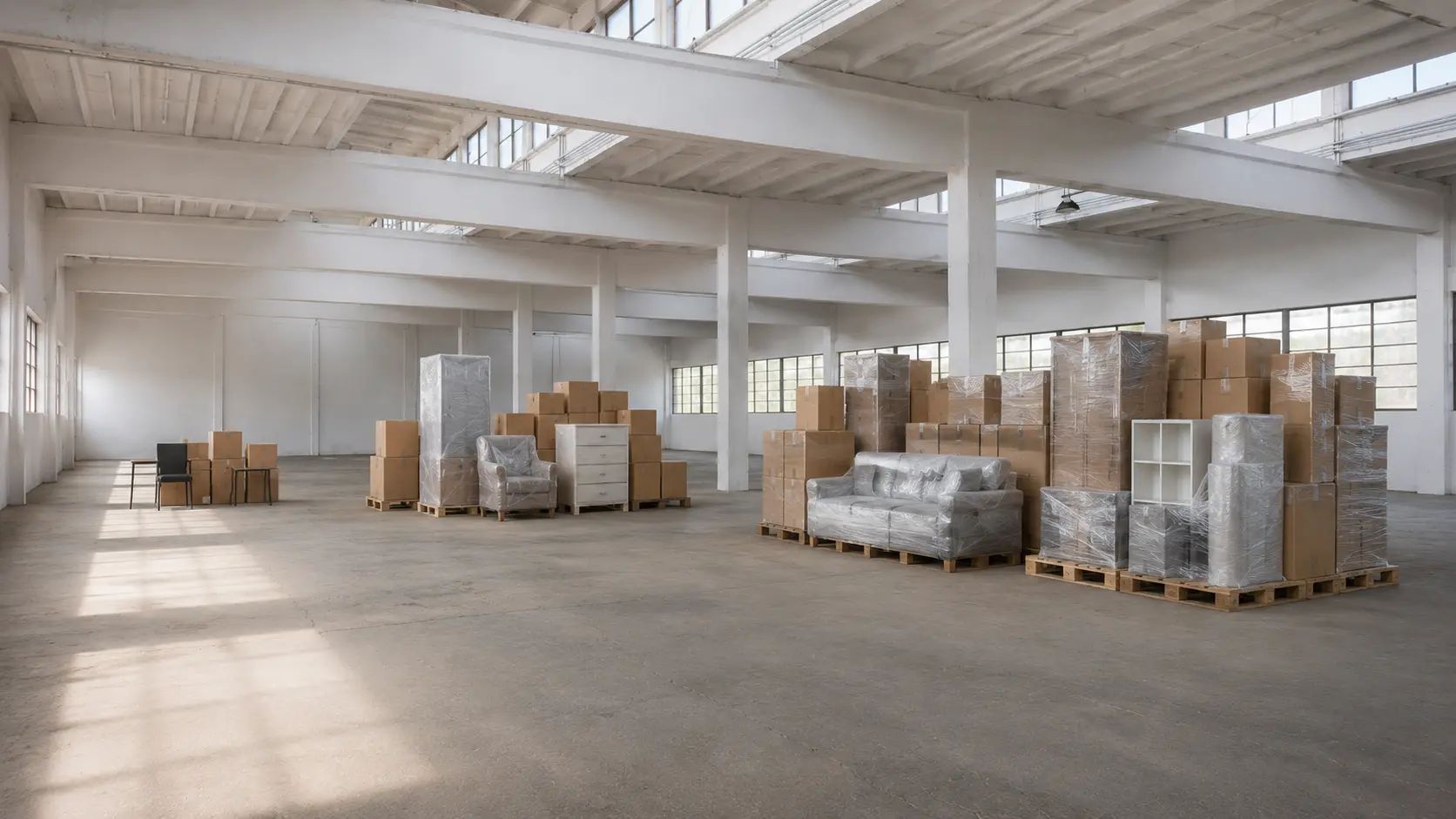
List, room by room, what's definitely going into storage. Alongside the large furniture, count the boxes, appliances, sports equipment and irregularly shaped items too.
"Something else will probably be added" easily throws off the estimate. It's worth keeping a separate list for items you're certain about and ones you still need to decide on.
- exact dimensions of large furniture
- expected number of boxes
- items that can't be disassembled
- fragile or specially handled valuables
Height is useful space too — but not everything stacks
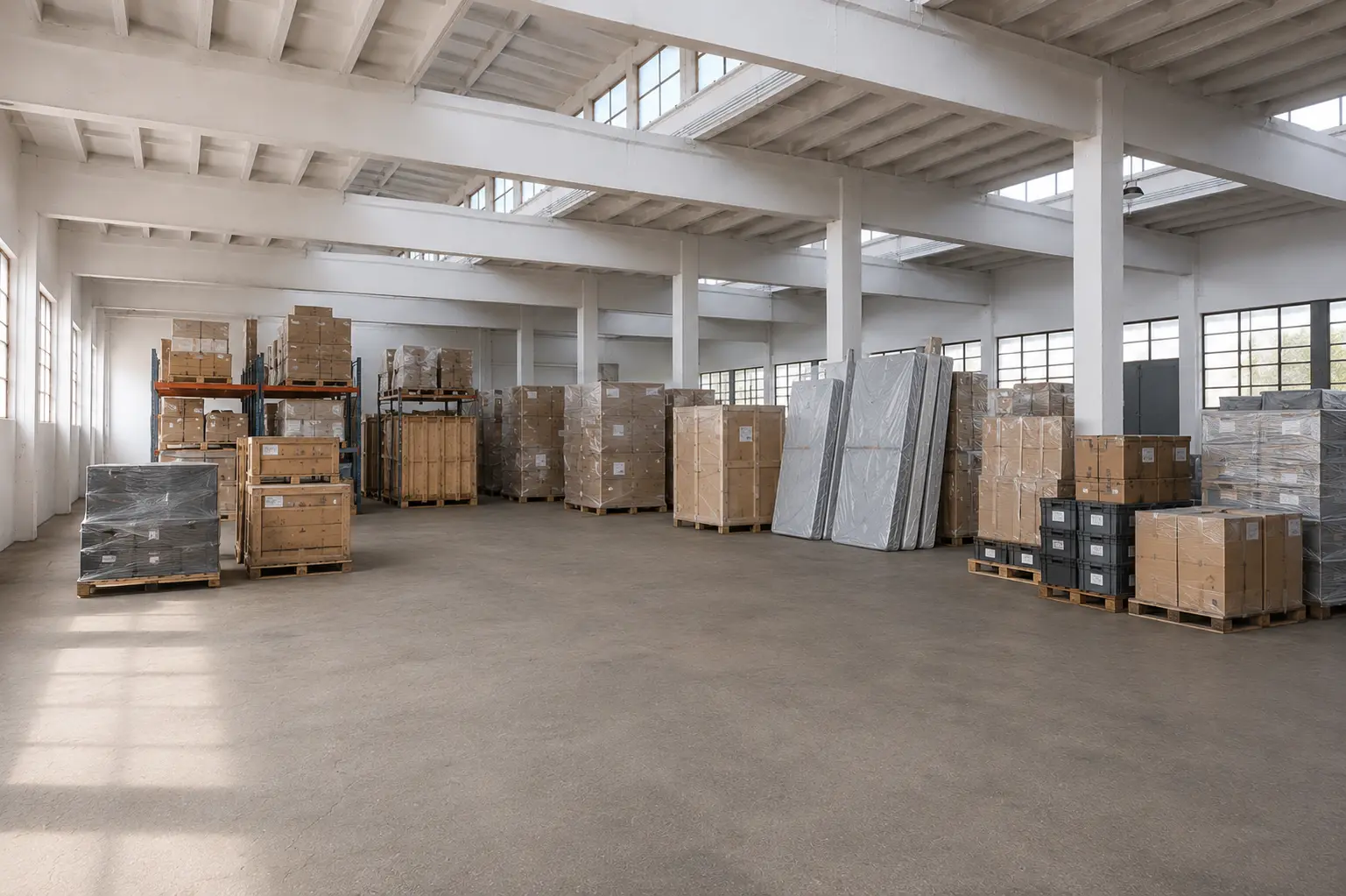
Uniform boxes with adequate load capacity make good use of vertical space. Upholstered furniture, fragile items and unstable packages, on the other hand, need more clear space around them.
Disassembled furniture panels take up less area if stored on their edge with proper protection. Keep screws and fittings in a labelled bag attached to the relevant piece of furniture.
Think about whether you'll need access during storage
If you won't need to touch anything for months, items can be packed more densely. With regular access, however, you need to leave an aisle and a logical layout.
Boxes you need often should go near the front, and every package should have a clearly visible label. A simple numbered list makes later searches faster.
Ask for an on-site or photo-based assessment
If you're unsure, take photos of the items you want to store and note the dimensions of the larger pieces. These let us estimate the required area more accurately.
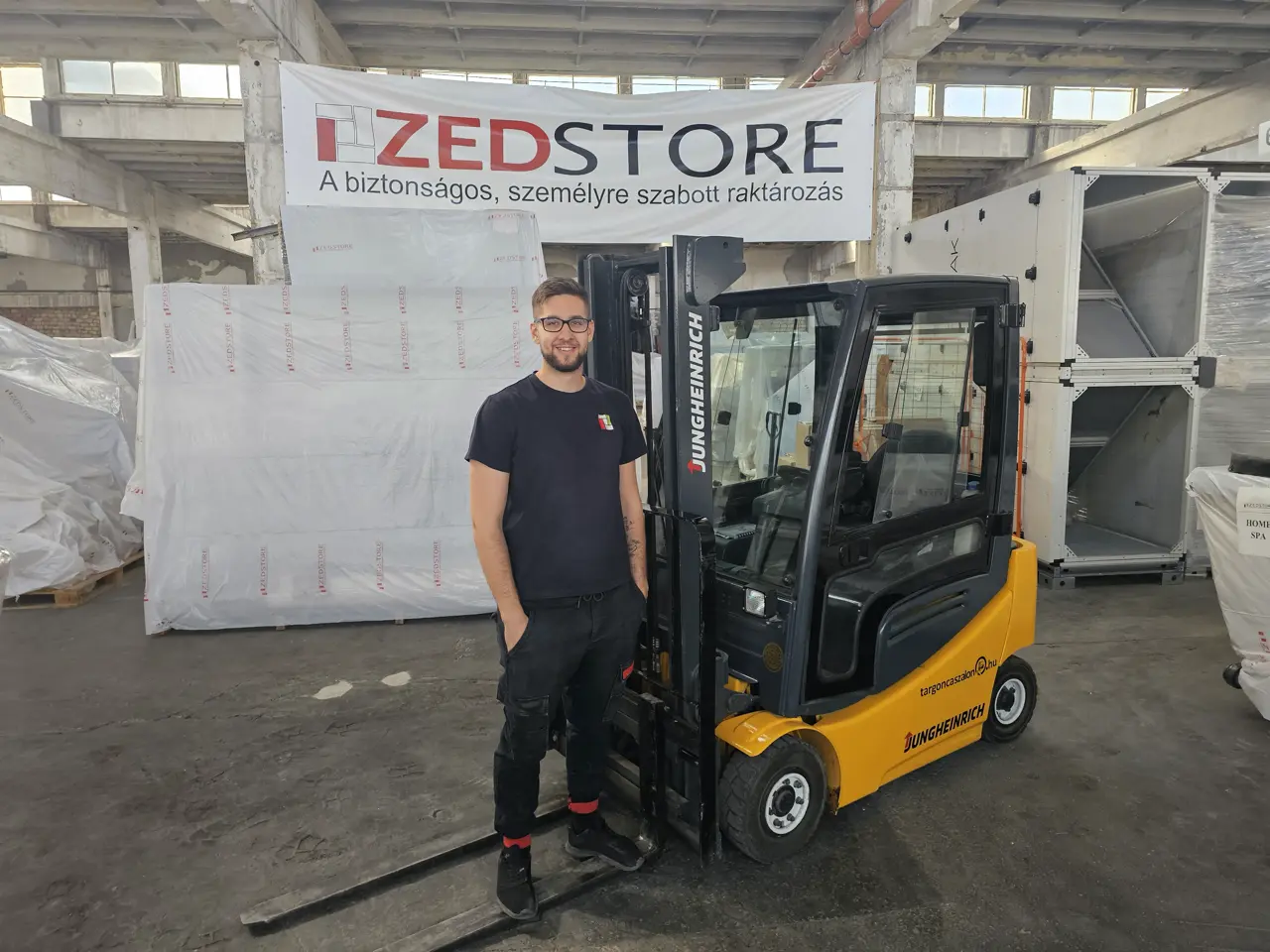
At ZedStore's personal warehouse tour we also show you how loading and unloading works, so you don't have to decide based on a single number alone.